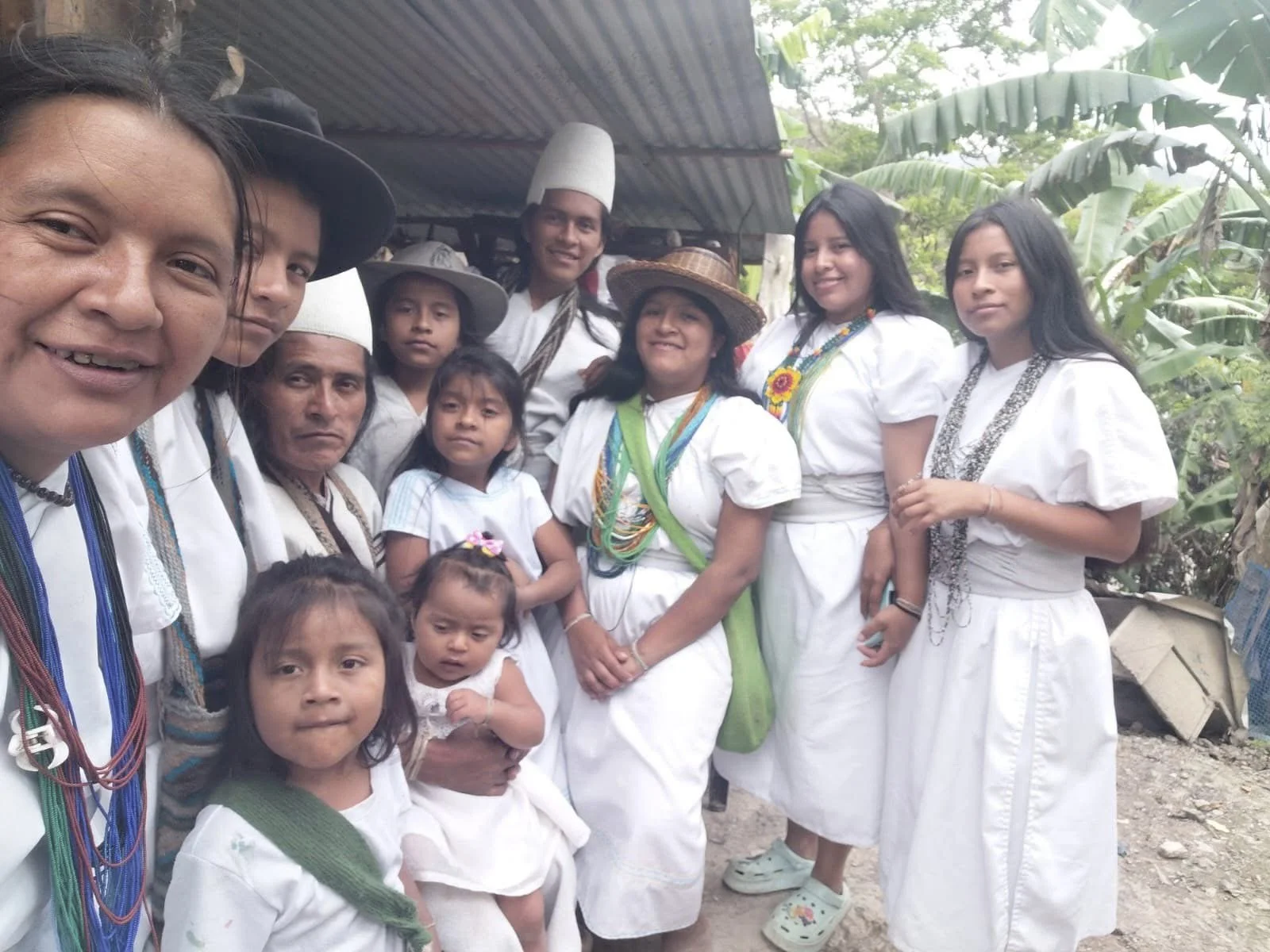
THE ARHUACO COMMUNITY
Sasaima, Colombia
Fundraising for education in ancestral communities
In Colombia, quality and professional opportunities are reserved for people of upper social class.vThe majority of the Colombian population is middle class, a society full of talent but with few opportunities.
While Colombia’s middle class has grown, many families still struggle to cover the costs of higher education or to compete with those who have had lifelong advantages.
There's a disconnect between talent and opportunity. Many well-educated young people are underemployed or working in informal jobs due to limited availability of professional roles.
This leads to brain drain, where the most capable professionals leave the country in search of better opportunities.
The system often reproduces inequality: better schools and universities remain out of reach for most, and the labor market favors those with elite backgrounds.
Government programs to reduce inequality exist (e.g. Ser Pilo Paga, now discontinued), but have faced criticism for not being scalable or sustainable.
Colombia’s Indigenous Peoples:
Guardians of Cultural and Environmental Heritage
Colombia is home to 115 recognized Indigenous communities, each with its own unique cultural identity, worldview, and relationship with the land. These communities preserve:
87 native languages, many of which are spoken exclusively in certain regions and are at risk of extinction.
115 rich cultural traditions, maintained through oral history, ceremonies, music, art, and sustainable ways of life.
Deep spiritual connections with nature and ancestral territories, making them some of the strongest environmental stewards in the country.
Cultural Wealth vs. Social Marginalization
Despite their immense cultural and ecological value, many Indigenous peoples in Colombia face:
Systemic discrimination
Displacement due to armed conflict, mining, or deforestation
Limited access to healthcare, education, and political representation
Yet they continue to resist and lead grassroots movements to defend their languages, lands, and rights.
Why It Matters
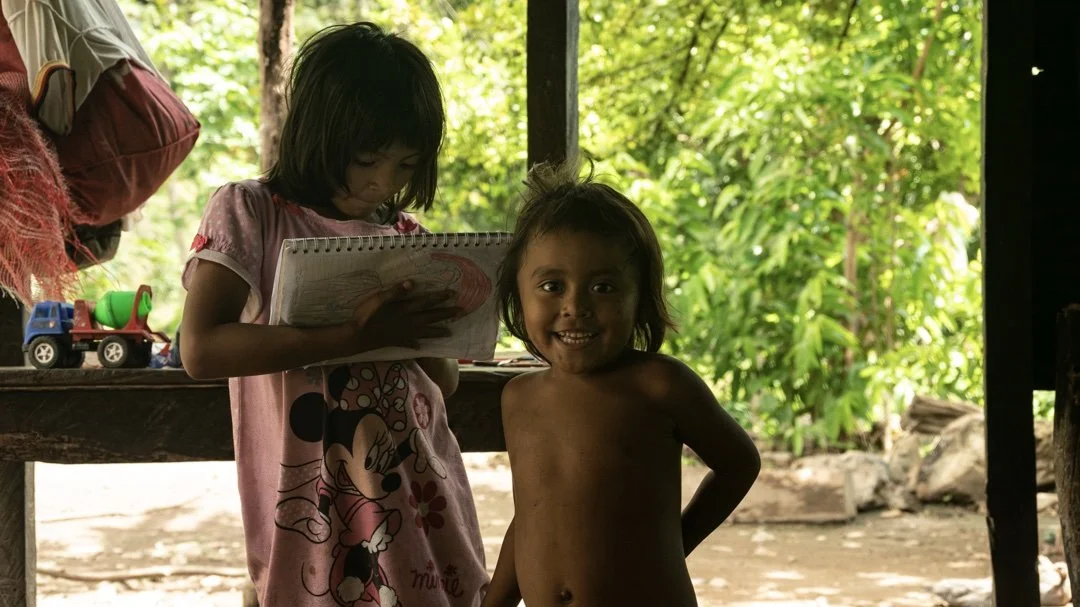
Indigenous communities are not just a part of Colombia's past — they are vital to its future:
Their knowledge systems can guide sustainable development.
Their languages reflect unique ways of understanding the world.
Their resilience is a symbol of Colombia’s diversity and strength.
Education is a fundamental right for all humanity, as well as a transformative tool for the future. Education holds the hope for the evolution of our communities, the possibility of bringing progress and social inclusion, recognizing that our people not only have the openness to receive, but also have much to contribute to the world through knowledge and life wisdom.
Through ROOTS, it is possible to integrate the two branches of education with support. One of these is to support the maintenance of basic needs so that a learner and practitioner of ancestral wisdom can dedicate themselves to the study of this knowledge, which should not be lost and which contributes to community development and focus.
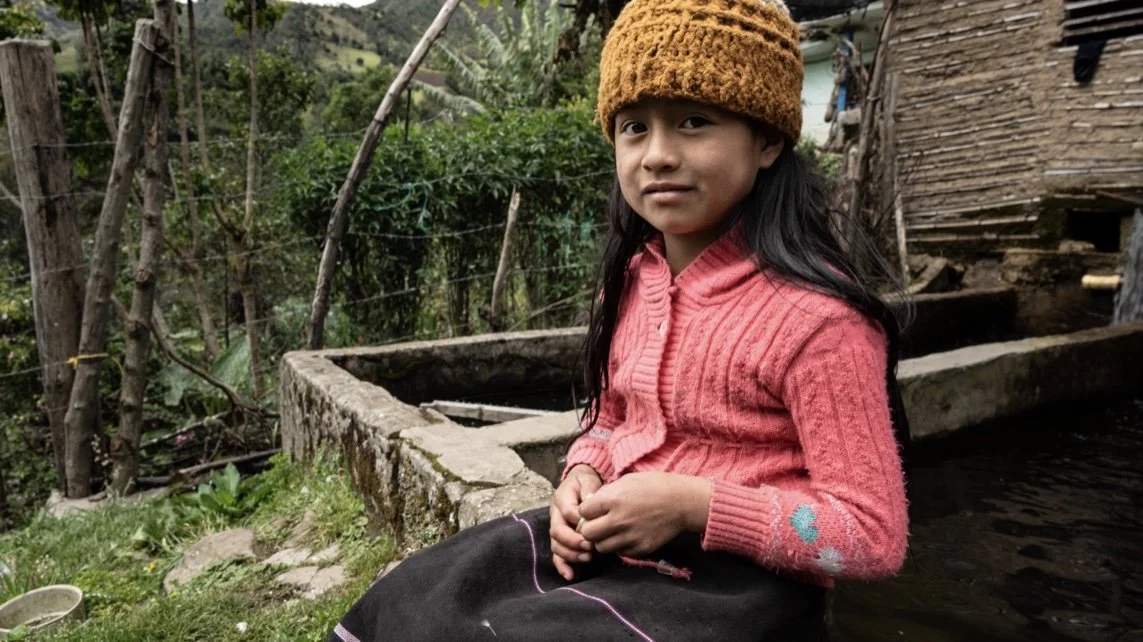
The other way is to investigate within communities which people have talents that can be developed through Western science and academia, which can be a channel for community opportunities in the future.
Thus, promoting native and academic education as a fundamental right and a gateway to the evolution of our societies.
To begin this vision and mission, we have three pilot tests to start with the support system, looking for ways we can give back to this help as parents and relatives of the young people who will receive the support.
Let’s start by introducing the two tribes to which the lineages of these young people belong.
Arhuaco people (aka Iku)
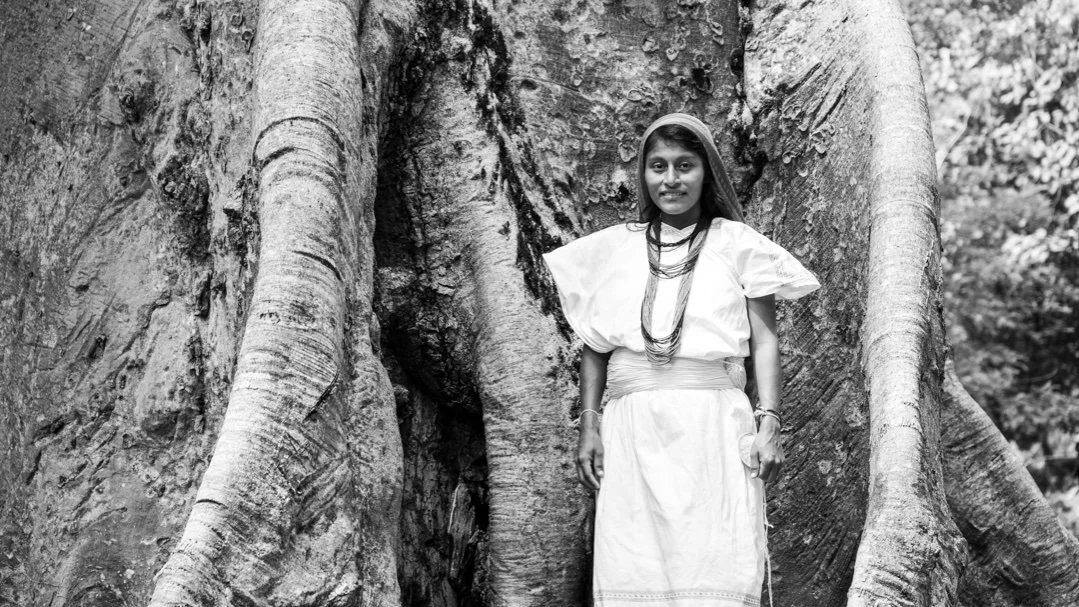
They are one of the most emblematic Indigenous communities in Colombia. They are known for their deep spiritual connection to nature, their commitment to preserving ancestral traditions, and their peaceful resistance in the face of modern threats.
The Arhuaco live in the Sierra Nevada de Santa Marta, a sacred mountain range in northern Colombia. This region is often called the "Heart of the World" by its Indigenous peoples because of its spiritual and ecological importance.
Population: There are approximately 30,000 Arhuacos, though numbers vary depending on sources.
Language: They speak Iku, a Chibchan language, which is still widely used and taught within the community — an important act of cultural preservation.
Cosmogony: The Arhuacos follow a cosmogony based on balance, harmony, and respect for nature. They believe they are the guardians of the Earth, responsible for maintaining the equilibrium of the planet through spiritual practices.
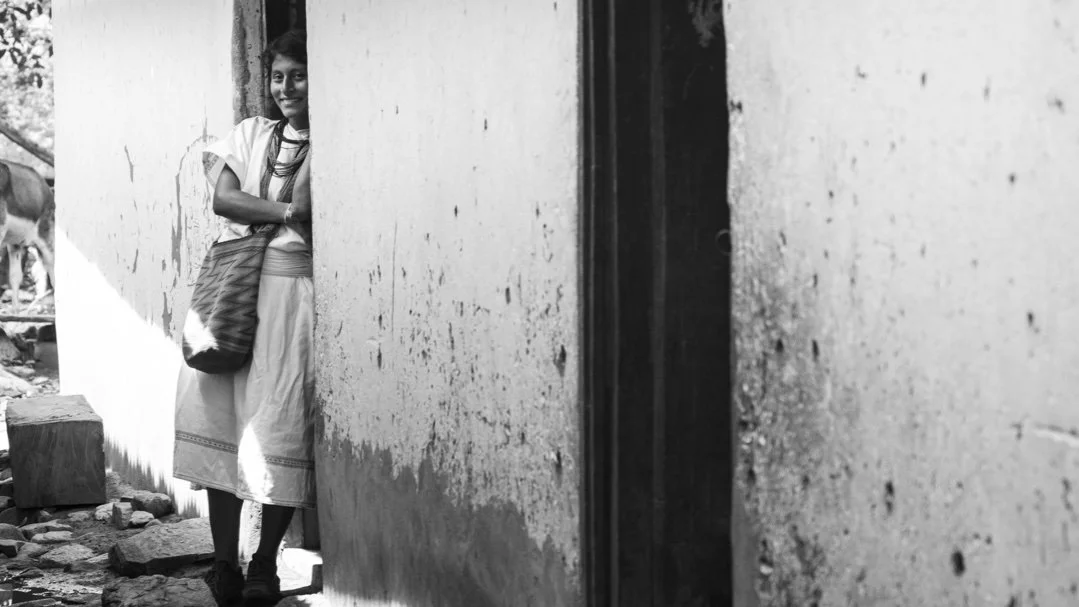
Their spiritual leaders, called Mamos, are deeply respected figures. Mamos undergo years of training in isolation to learn sacred knowledge, environmental cycles, and moral guidance.
Currently in Sasaima, Cundinamarca, in the center of the country, we have an Arhuaca community led by spiritual guide Mamo Lorenzo Izquierdo, known in different parts of the world for his work and guide in "Return to the Origin," a 9-day salt fasting retreat where people sit and meditate, cleansing and healing up to 14 generations back, for the healing of the path and future generations. He has taken this ceremony to several countries around the world, teaching and sharing with everyone the importance of offering and giving thanks for everything we receive in daily life from natural resources.
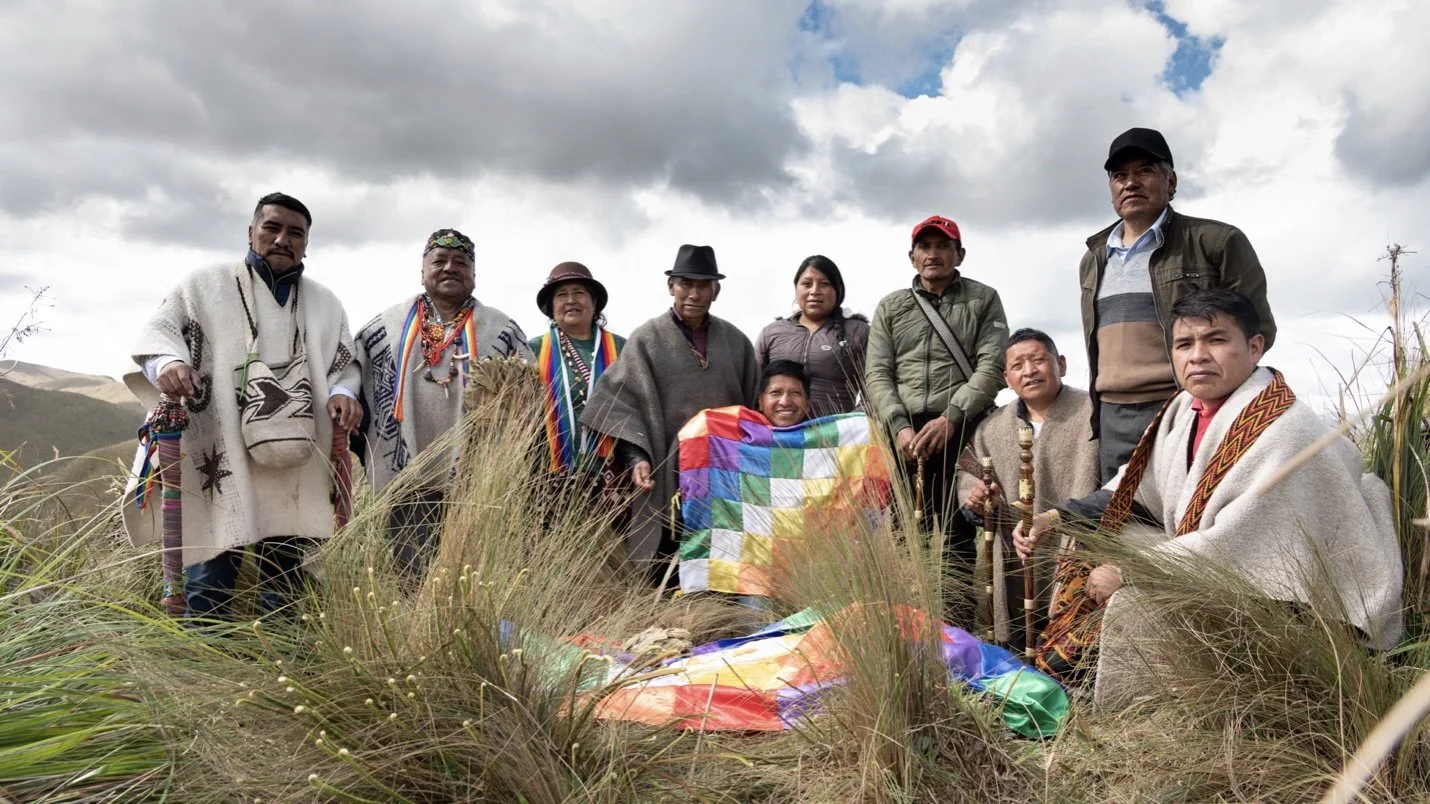
Project details
The goal is to support Indigenous education and the preservation of ancestral wisdom in Colombia by empowering both spiritual leaders and future Indigenous professionals. By covering basic living and education costs, we help ensure that sacred knowledge, cultural identity, and community leadership are not lost to economic pressure.
We support Mamo Lorenzo Izquierdo, an Arhuaco spiritual leader known internationally for his work in ancestral healing and ceremonies, and his family, who live modestly while serving their community.
Becoming and serving as a Mamo requires full dedication, leaving no opportunity for conventional income. Support allows his son to complete his spiritual training as a future Mamo
This donation support the education of the next generation for 3 years.
Funding Goal: $36,000 USD